


Begin With the Architecture
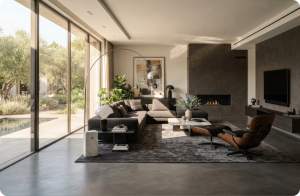
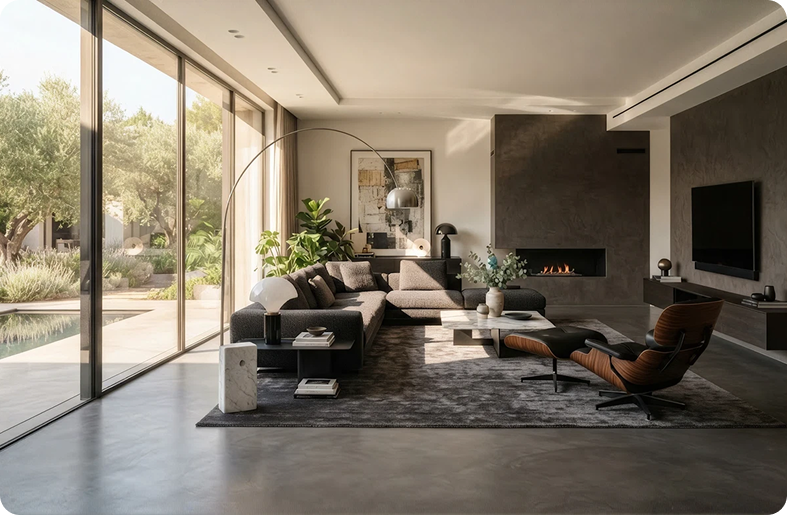
The right interior finish should strengthen the architectural identity of a luxury home rather than compete with it. Before choosing a color or material, consider the property’s proportions, ceiling height, natural lighting, layout, and relationship between adjoining rooms. A modern open-plan home may benefit from quiet visual continuity, while a more traditional property may support richer texture and decorative variation.
Architectural details should also guide material placement. Staircases, entrance walls, alcoves, structural features, and large uninterrupted surfaces may offer opportunities for a distinctive finish. The goal is not to make every surface dramatic. Luxury is often created through restraint, balance, and the careful positioning of materials where they will have the greatest visual impact.
Define the Desired Atmosphere
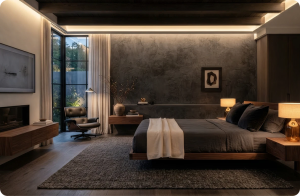
Every interior finish influences how a room feels. Pale, softly textured surfaces can create calmness and openness, while deeper tones and stronger movement may introduce intimacy and drama. Before selecting a finish, define the emotional experience the space should provide. A relaxed living area, formal dining room, private bedroom, and commercial reception space may each require a different approach.
It is also helpful to consider how the environment changes throughout the day. Kauai’s natural light can reveal colors and textures differently from morning to evening. A sample that looks quiet under artificial lighting may appear more expressive in direct daylight. Reviewing finish options within the actual space can lead to a more confident and accurate decision.
Compare the Available Materials
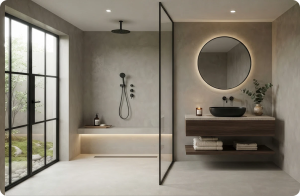
Microcement offers a contemporary, visually continuous appearance with customizable texture and tonal movement. It may suit clients who want a seamless architectural finish that complements clean lines, natural materials, and modern furnishings. Its character can range from subtle and understated to more expressive, depending on the chosen color and application technique.
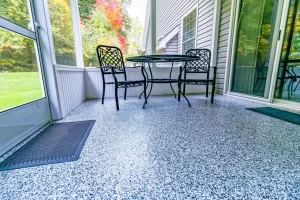
Venetian plaster offers a different kind of luxury. Its layered appearance creates depth, movement, and a handcrafted quality that responds beautifully to light. Epoxy overlays, flake epoxy, and cementitious overlays may be considered where surface renewal, functionality, texture, or durability plays a central role. Custom tin work can add another layer of individuality through carefully coordinated decorative detailing.
Consider the Existing Surface
A finish cannot be selected responsibly without understanding the surface beneath it. Existing materials, stability, cracks, moisture, contamination, movement, and previous coatings may influence which system is appropriate. A finish that looks ideal in a photograph may not be suitable for a particular substrate without substantial preparation.
Professional evaluation helps identify these requirements before installation begins. This reduces uncertainty and allows the preparation process to be planned correctly. In luxury projects, hidden technical work is just as important as the visible finish because it supports the quality, consistency, and performance of the completed surface.
Balance Beauty With Practical Use
Appearance is important, but a finish must also respond to how the space will be used. Consider foot traffic, frequency of contact, cleaning requirements, exposure conditions, and the amount of routine maintenance the homeowner is comfortable managing. A decorative feature wall has different performance requirements from a heavily used surface.
The right choice brings design and practicality together. This may involve adjusting the texture, protective system, material, or placement while preserving the overall visual concept. Discussing these factors early allows the finished space to remain beautiful without creating unrealistic expectations about use or maintenance.
Coordinate Colors and Textures
Luxury interiors often rely on a controlled material palette rather than numerous unrelated finishes. Microcement, plaster, wood, stone, glass, metal, and textiles should feel connected through color temperature, texture, and proportion. Repeating subtle tones or complementary materials can create visual rhythm across the property.
Texture should be balanced carefully. If the flooring, furnishings, and architectural details are already expressive, a quieter wall finish may provide necessary contrast. If the interior is simple, a handcrafted Venetian plaster surface or custom tin element may introduce depth and personality. Effective design depends on knowing both where to add detail and where to allow visual space.
Work With a Specialized Professional
Luxury surface finishing requires technical knowledge, material understanding, and artistic judgment. A specialist can assess the property, explain available systems, prepare samples, and recommend finishes based on both design and performance. This guidance helps clients move beyond trends and select a solution that genuinely belongs within the home.
Apex Microcement & Overlays LLC provides interior finish design and specialized surface applications throughout Kauai, Hawaii. By coordinating microcement, Venetian plaster, epoxy, cementitious overlays, and custom tin work, Apex creates personalized finishes that unite craftsmanship, function, and contemporary luxury.